Authentic Pasta e Fagioli – The Ultimate Italian Comfort Soup
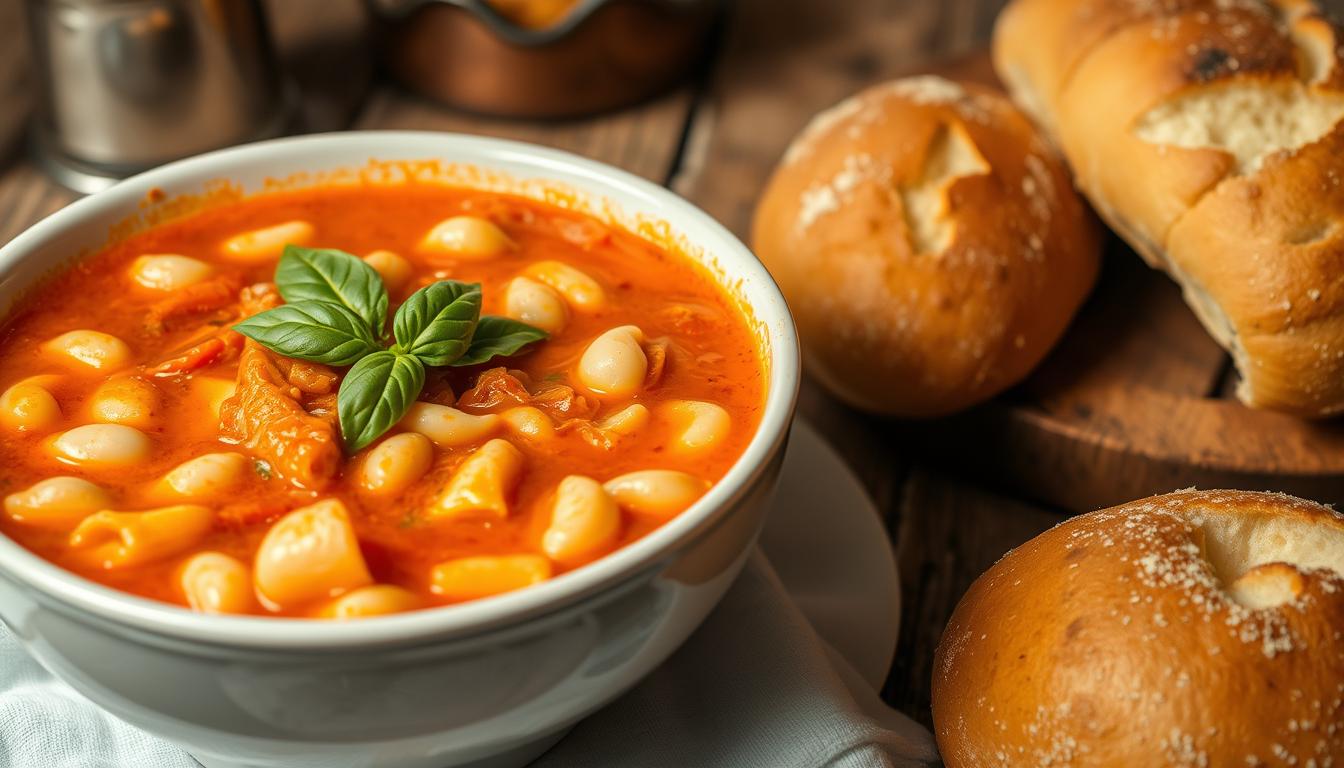
The first time I tasted authentic pasta e fagioli, it was like discovering a culinary treasure. It was hidden in my grandmother’s well-worn recipe book. This Italian bean soup isn’t just a meal – it’s a warm embrace that connects generations through its rich, hearty flavors. As you explore this authentic pasta fagioli recipe, you’ll uncover the soul of Italian home cooking.
Pasta e fagioli represents more than just ingredients simmered together. It’s a testament to Italian culinary wisdom. It transforms simple components into a deeply satisfying experience that warms both body and spirit. From bustling kitchens in Tuscany to family tables across Italy, this soup tells a story of resourcefulness and love.
Every spoonful of this traditional Italian bean soup carries generations of culinary tradition. You’ll learn how to craft a dish that goes far beyond mere sustenance. It creates a connection to Italy’s rich gastronomic heritage right in your own kitchen.
Key Takeaways
- Pasta e fagioli is a quintessential Italian comfort food
- The soup represents resourceful home cooking
- Each recipe tells a unique family story
- Simple ingredients create extraordinary flavors
- Authentic preparation matters more than complicated techniques
Understanding the Heritage of Pasta e Fagioli
Explore the world of traditional Italian comfort food. Pasta e Fagioli is a shining example of Italian culinary genius. It came from rural Italy’s kitchens, turning simple ingredients into a hearty meal loved by many.
This rustic soup’s story starts with Italian peasant families. They were experts at making tasty meals with little. Pasta e Fagioli is more than food; it’s a tale of survival, creativity, and family.
Origins in Italian Cuisine
In poor agricultural communities, Tuscan bean soup was a lifesaver. Families mixed:
- Dried beans
- Inexpensive pasta
- Seasonal vegetables
- Minimal meat (when available)
Regional Variations Across Italy
Every region in Italy has its own Pasta e Fagioli twist. From the thick versions in the North to the light ones in the South, it shows Italy’s culinary variety.
“A recipe is a story that ends with a meal.” – Unknown Italian Chef
Traditional Family Recipe Evolution
Over the years, families have shared their Pasta e Fagioli recipes. Each generation adds their own flair, keeping the dish’s essence alive. What started as a necessity has become a beloved tradition, warming hearts and kitchens everywhere.
Essential Ingredients for Classic Pasta e Fagioli
Making a hearty soup like homemade pasta fagioli starts with the right ingredients. You begin by understanding the core parts that make a simple dish rich and flavorful.
For a traditional pasta e fagioli, choose ingredients that add depth and authenticity. Focus on these key elements:
- Beans: Cannellini or borlotti beans are the traditional choices
- Pasta: Short, robust pasta shapes work best
- Vegetables: Fresh onions, celery, and carrots
- Aromatics: Garlic and fresh herbs
Each ingredient is vital for the complex flavor of homemade pasta fagioli. Beans add a creamy texture, while vegetables bring nutrients and taste.
| Ingredient Category | Recommended Types | Flavor Profile |
|---|---|---|
| Beans | Cannellini, Borlotti | Creamy, Mild |
| Pasta | Ditalini, Small Shells | Hearty, Substantial |
| Proteins | Pancetta, Prosciutto | Rich, Savory |
Your homemade pasta fagioli will stand out with high-quality, fresh ingredients. Look for locally grown produce and authentic Italian pantry staples. This will make your hearty soup truly special.
The Perfect Bean Selection and Preparation
Choosing the right beans is key for a true italian pasta and beans dish. The type of beans you pick can change the taste and feel of your easy pasta e fagioli. Let’s explore how to prepare beans to make your soup amazing.
Deciding between dried or canned beans is a big choice for your italian pasta and beans recipe. Each has its own benefits for your dish.
Dried vs. Canned Beans: A Comprehensive Comparison
| Bean Type | Pros | Cons |
|---|---|---|
| Dried Beans |
|
|
| Canned Beans |
|
|
Bean Varieties for Perfect Pasta e Fagioli
Your choice of beans can make or break your easy pasta e fagioli. Here are some top picks:
- Cannellini Beans: Creamy and mild, a classic in Italian cooking
- Borlotti Beans: Rich, nutty taste with a speckled look
- Great Northern Beans: Soft texture, great at soaking up flavors
Soaking and Cooking Techniques
For the best dried beans, follow these steps:
- Rinse beans well
- Soak them in cold water overnight
- Drain and rinse before cooking
- Cook them gently to keep them whole
Learning how to prepare beans is crucial for a true italian pasta and beans dish. It will impress everyone you share it with.
Creating the Aromatic Base
The heart of any authentic pasta fagioli recipe is its aromatic base, called soffritto. This base turns simple ingredients into a flavorful dish.
To make the perfect soffritto, you need to know a few tricks:
- Select fresh, high-quality vegetables: onions, celery, and carrots
- Use extra virgin olive oil for authentic flavor
- Chop vegetables uniformly for consistent cooking
- Cook slowly to develop rich caramelization
Creating soffritto is all about sautéing vegetables carefully. Begin by heating olive oil in a heavy pot. Cut your onions, celery, and carrots into small, even pieces. Aim for a golden-brown base that adds deep flavors to your pasta fagioli.
“A perfect soffritto is the secret weapon of every Italian home cook” – Chef Maria Rossi
Adding minced garlic or small pancetta pieces can make your soup even better. These ingredients add a rich depth that makes your dish unforgettable.
The Role of Pasta in Traditional Pasta e Fagioli
Pasta is key in making pasta e fagioli a true Italian comfort food. The right pasta can turn this simple soup into a feast for the senses. Each spoonful becomes a joy to eat.
Choosing the perfect pasta is an art in making authentic pasta e fagioli. Small pasta shapes are the heart of this dish. They mix textures and flavors in a perfect way.
Ideal Pasta Shapes for the Soup
- Ditalini: Tiny tube-shaped pasta perfect for soups
- Tubetti: Small, short tubes that hold broth beautifully
- Small shells: Capture beans and broth in their curved shape
- Orzo: Rice-shaped pasta that adds delicate texture
Cooking Techniques for Perfect Pasta
Cooking pasta for pasta e fagioli needs careful attention. The goal is to cook it just right, without overcooking. This keeps the pasta al dente.
| Cooking Method | Benefits | Tips |
|---|---|---|
| Separate Cooking | Prevents mushy texture | Cook pasta separately and add to individual servings |
| Partial Cooking | Controls pasta absorption | Undercook slightly before adding to soup |
Pasta Storage Tips
To keep your pasta e fagioli at its best, store pasta and soup apart. This stops the pasta from getting soggy. It also keeps the soup’s texture just right.
- Keep cooked pasta in a separate container
- Add pasta to soup just before serving
- Refrigerate soup and pasta individually
- Reheat pasta separately to maintain texture
By learning these pasta tips, you’ll make your pasta e fagioli unforgettable. It will be a true taste of Italy, a dish that stands out.
Mastering the Broth Foundation
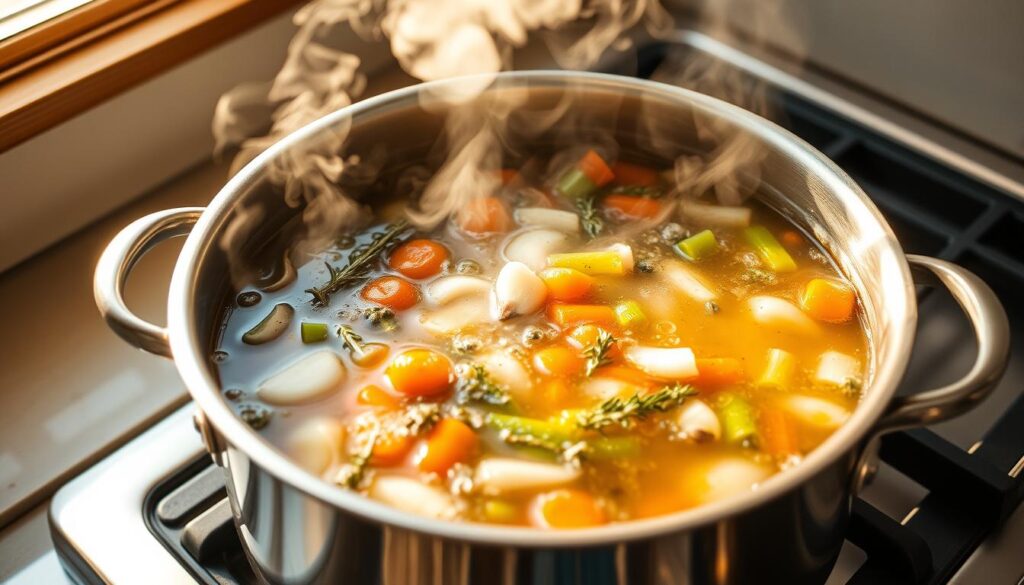
Making the perfect broth is key for a true pasta fagioli recipe. It’s the base that gives your soup its depth and richness. This makes your dish unforgettable.
When making your pasta fagioli broth, think about a few important things:
- Stock selection: Choose between chicken, vegetable, or bean cooking liquid
- Flavor enhancers: Incorporate fresh herbs and aromatics
- Liquid consistency: Balance between thin and thick textures
Professional chefs say using a mix of methods is best. Begin by cooking onions, carrots, and celery in olive oil. This soffritto makes a strong base for your soup, following Italian cooking traditions.
Here are some tips for making a great broth:
- Use homemade stock for maximum flavor
- Reserve bean cooking liquid for added depth
- Experiment with a splash of white wine
- Season gradually to develop nuanced taste profiles
Your aim is to make a broth that’s rich, flavorful, and just right. The right broth turns a simple soup into a masterpiece that honors Italian cooking.
Secret Techniques for Rich and Creamy Texture
Making the perfect homemade pasta fagioli is all about mastering special techniques. These methods turn a simple italian bean soup into a true masterpiece. The secret is in achieving a luxurious, velvety texture that pleases your taste buds.
Professional chefs know that texture is key in making a memorable italian bean soup. To get a rich, creamy texture, you need to focus on how you prepare and blend the beans.
Bean Puréeing Method
Here are some expert tips to enhance your homemade pasta fagioli:
- Take out about 1 cup of cooked beans from the pot
- Mash or blend the beans until they’re smooth
- Slowly add the purée back into the soup
- Stir well to make a creamy base
Achieving Perfect Consistency
The perfect texture for your italian bean soup is up to you. Some like it thick and hearty, while others prefer it lighter.
| Consistency Style | Technique | Result |
|---|---|---|
| Thick Soup | More bean purée | Hearty, stew-like texture |
| Light Soup | Less bean purée | Broth-forward experience |
| Medium Consistency | Balanced purée | Classic pasta fagioli texture |
Try out these techniques to find your ideal homemade pasta fagioli. The right texture can turn a basic italian bean soup into a memorable culinary journey.
Fresh Herbs and Seasonings Guide
Making an authentic pasta fagioli recipe is more than just mixing ingredients. It’s about using the right herbs and seasonings. These elements turn a simple soup into a true Italian comfort food classic. The key is knowing how each herb and spice affects the taste.
Classic herbs that make your pasta e fagioli stand out include:
- Rosemary: A strong herb that adds a rich, earthy flavor
- Thyme: Adds a soft, slightly minty taste
- Bay leaves: Create a complex, aromatic background
- Fresh parsley: Brings a bright, fresh taste at the end
When seasoning your traditional Italian comfort food, keep these tips in mind:
- Add dried herbs early to let their flavors fully develop
- Crush dried herbs in your fingers before adding to boost their aroma
- Use fresh herbs carefully—they pack a stronger punch than dried ones
- Finish with a sprinkle of fresh parsley for a pop of color and taste
Seasoning is an art in making authentic pasta fagioli. A little salt, freshly ground black pepper, and optional red pepper flakes can make your soup amazing. The aim is to enhance the natural flavors of your beans and pasta, not to mask them.
Tips for Making Restaurant-Quality Pasta e Fagioli
To make amazing olive garden pasta e fagioli at home, it’s not just about following a recipe. Professional chefs have secrets that make this classic Italian soup truly special.
Professional Kitchen Secrets
Here are some tips to make your easy pasta e fagioli as good as a restaurant’s:
- Use homemade stock instead of store-bought broth for deeper flavor
- Salt your pasta water generously to enhance overall taste
- Finish the soup with a drizzle of high-quality extra virgin olive oil
- Add Parmesan cheese rinds during cooking for rich umami complexity
Common Mistakes to Avoid
Professional chefs say to avoid these mistakes in your pasta e fagioli:
- Overcooking pasta, which turns mushy and loses texture
- Under-seasoning ingredients at each cooking stage
- Using low-quality or canned ingredients
- Skipping the crucial step of building layered flavors
By using these professional techniques, you can make your pasta e fagioli as good as a restaurant’s. The secret is patience, using high-quality ingredients, and knowing how flavors develop during cooking.
Storage and Reheating Guidelines
Keeping your pasta e fagioli delicious means storing and reheating it right. These steps help your homemade dish stay tasty and safe for days.
Here’s how to store your pasta e fagioli:
- Cool the soup completely before refrigerating
- Store in airtight containers
- Refrigerate within 2 hours of cooking
- Keep for maximum 3-4 days in the refrigerator
Keeping pasta and soup separate is key. Store the cooked pasta separately to keep it from getting soggy. When reheating, warm the soup first and then add the pasta.
Here are ways to reheat your pasta e fagioli:
- Stovetop method: Warm slowly over medium-low heat, stirring occasionally
- Microwave method: Use medium power and stir every 30 seconds
- Add a splash of water or broth to restore moisture
If you want to freeze your pasta e fagioli, it can last up to 3 months. Use freezer-safe containers and leave space for expansion. Thaw it in the fridge overnight before reheating.
Pro tip: Refresh your reheated pasta e fagioli with a drizzle of extra virgin olive oil and fresh chopped herbs for a just-made taste!
Authentic Italian Serving Suggestions
Enjoying traditional Italian comfort food like pasta e fagioli is more than just eating. It’s about how you present it and what you serve with it. Italians have a special way of serving this dish, passed down through generations.
Pasta e fagioli is usually the primo (first course) in an Italian meal. Here are some classic ways to serve it:
- Serve in warm, deep ceramic bowls to keep it hot
- Pair with crusty Italian bread for dipping
- Drizzle high-quality extra virgin olive oil on top
- Sprinkle freshly grated Parmesan cheese
How you serve pasta e fagioli can vary by region in Italy. In the north, it’s often thicker and stew-like. In the south, it’s lighter and more like a soup. Adding these regional touches can make your dish even better.
Choosing the right wine can also enhance your meal. A medium-bodied red like Chianti or a crisp white like Pinot Grigio pairs well with pasta e fagioli.
“In Italy, every meal tells a story, and pasta e fagioli is no exception.” – Italian Culinary Tradition
By following these authentic serving suggestions, you can turn your pasta e fagioli into a true Italian culinary experience.
Conclusion
Your journey into the world of pasta fagioli recipe is more than just a simple Italian bean soup. It’s a culinary tradition that connects generations. It brings warmth and comfort to dinner tables in Italy and your kitchen too.
Every spoonful of pasta e fagioli shares a story of regional diversity, family heritage, and culinary skill. By learning about the techniques, ingredients, and cultural importance, you can turn this simple dish into a meaningful meal. It celebrates the rich complexity of Italian cuisine.
Creating the perfect Italian bean soup is about passion, creativity, and traditional cooking methods. Whether it’s for a cozy family dinner or a gathering with friends, your version will bring the essence of Italian home cooking. It invites those you love to share in a delicious cultural experience.
As you keep exploring this classic recipe, trust your instincts and experiment with techniques. Most importantly, enjoy the delicious journey of mastering one of Italy’s most beloved culinary treasures.