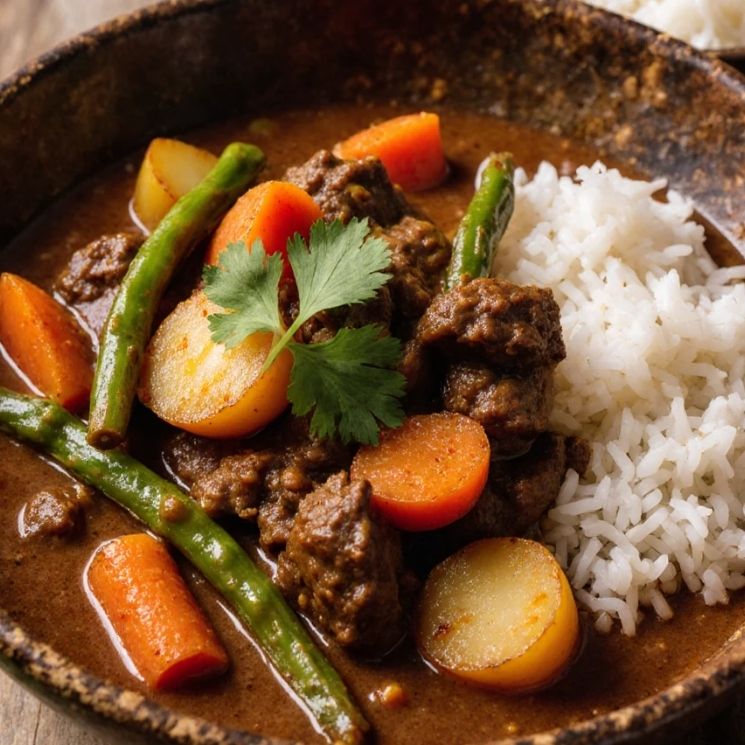
Beef and Vegetable Curry: A Bowl of Comfort and Bold, Homestyle Flavor
Few things can lift the spirit quite like a pot of slow-simmered curry bubbling away on the stove. Maybe it’s the memory of a special meal, where family gathered and laughter mixed with the spicy aroma wafting through the house. Maybe it’s the act of stirring together beef, vegetables, coconut milk, and fragrant spices that turns an ordinary day into something extraordinary.
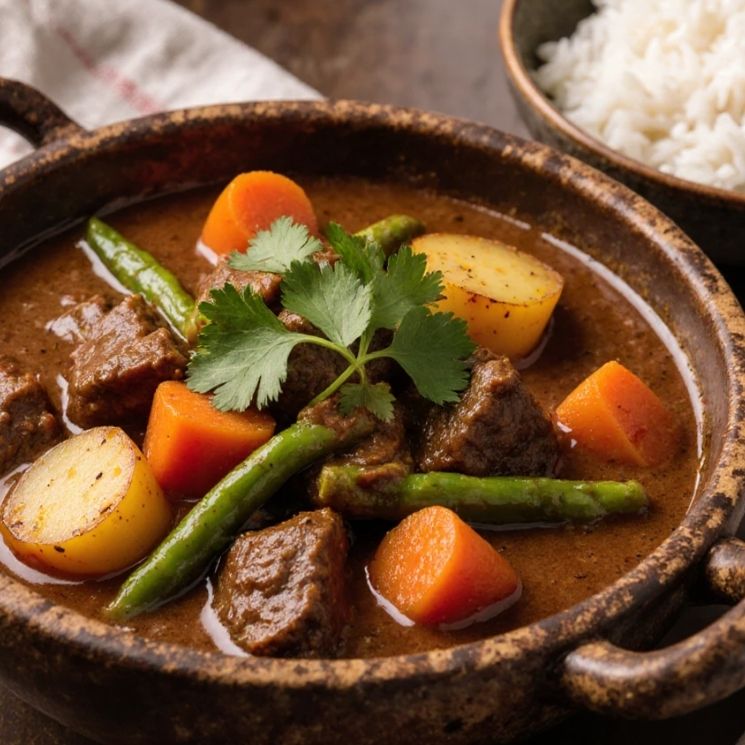
With Beef and Vegetable Curry, you invite a little adventure into your kitchen, while still savoring all the comfort of a hearty American stew. Every spoonful is a blend of tender beef, colorful vegetables, and a sauce that is both creamy and deeply spiced. This dish isn’t just about feeding your hunger—it’s about feeding your soul and sharing warmth with everyone at your table.
Ingredients List
This easy-to-follow recipe makes about 6 servings and promises rich flavor in every bite. Gather these ingredients:
| Ingredient | Quantity |
|---|---|
| Stewing beef (cubed chuck or round) | 1½ lbs |
| Kosher salt, black pepper | To taste |
| Vegetable oil | 2 tablespoons |
| Yellow onion (chopped) | 1 large |
| Garlic cloves (minced) | 4 |
| Fresh ginger (grated) | 1 tablespoon |
| Curry powder | 2 tablespoons |
| Ground cumin | 1 teaspoon |
| Ground coriander | 1 teaspoon |
| Mild chili powder or paprika | 1 teaspoon |
| Crushed tomatoes | 1 can (15 oz) |
| Coconut milk (full-fat) | 1 can (14 oz) |
| Beef broth | 1 cup |
| Carrots (cut into ½” slices) | 2 |
| Yukon Gold or red potatoes (diced) | 2 medium |
| Green beans (trimmed & cut) | 1 cup |
| Bell pepper (diced) | 1 |
| Frozen peas | ¾ cup |
| Fresh cilantro (chopped) | ¼ cup (for garnish) |
| Cooked basmati or jasmine rice | To serve |
Optional: 1–2 tablespoons of garam masala or a cinnamon stick for depth.
Substitutions
Curry is versatile by nature. These substitutions make it easy to adapt your curry to your pantry and taste.
- Beef: Substitute with boneless chicken thighs, ground turkey, or tofu for a lighter or vegetarian version.
- Coconut milk: Use heavy cream for a richer texture, or light coconut milk for less fat.
- Vegetables: Try sweet potatoes, cauliflower, or zucchini instead of potatoes and carrots. Swap peas for edamame or chopped spinach.
- Curry powder: Madras for extra heat, or a blend of turmeric, coriander, and cumin.
- Rice: Serve with brown rice, cauliflower rice, or naan for variety.
- Broth: Vegetable broth if you’re going vegetarian.
“A great curry’s secret is flexibility—let the ingredients and spices tell your story.”
Step-by-Step Instructions
Your kitchen will smell incredible as you work through these simple but satisfying steps.
- Brown the beef:
Pat beef dry, season well with salt and pepper. In a large heavy pot or Dutch oven, heat oil over medium-high. Brown beef in batches until caramelized on all sides. Set aside. - Sauté aromatics:
In the same pot with a splash more oil if needed, add onions. Sauté until golden and soft, about 5–7 minutes. Stir in garlic and ginger, cooking 1 minute. - Add spices:
Sprinkle in curry powder, cumin, coriander, and chili powder. Cook for 1–2 minutes until fragrant, stirring constantly. - Simmer the base:
Add crushed tomatoes. Scrape up bits from the pot bottom and let simmer 3 minutes. Pour in coconut milk and broth, stirring until smooth. Return beef to the pot. - Add vegetables:
Mix in carrots and potatoes. Bring the curry to a boil, reduce to a gentle simmer, cover, and cook for 40–50 minutes. Stir occasionally to prevent sticking. (Beef should become fork-tender.) - Finishing touches:
During the final 10 minutes, add green beans, bell pepper, and peas. Simmer uncovered to thicken if needed. - Taste and garnish:
Adjust seasoning, salt, and spice. Top bowls with freshly chopped cilantro before serving over steaming rice.
Nutritional Information
Approximate values per serving:
| Nutrient | Amount |
|---|---|
| Calories | 460 kcal |
| Protein | 30 g |
| Carbohydrates | 33 g |
| Fat | 24 g |
| Fiber | 6 g |
| Sodium | 670 mg |
| Iron | 22% DV |
| Vitamin A | 110% DV |
| Vitamin C | 45% DV |
Values may vary based on portions and substitutions.
Healthier Alternatives for the Recipe
A few small changes can lighten this curry while keeping all the comfort you crave.
- Use lean meat: Opt for lean beef or use skinless chicken breast.
- More veggies: Add extra vegetables like cauliflower or kale for fiber and nutrients.
- Skip the coconut milk: Substitute with evaporated skim milk or blended pureed potatoes for a lighter, creamy texture.
- Reduce sodium: Use low-sodium broth and rinse canned veggies if using.
- Serve with whole grain rice or cauliflower rice for a lower-carb, higher-fiber option.
“Healthy versions of comfort food mean enjoying more of what you love—guilt-free, bite after bite.”
Serving Suggestions
There are so many ways to make your Beef and Vegetable Curry meal feel special.
- Classic style: Serve with a big bowl of fluffy white basmati or jasmine rice.
- Bread for dipping: Pair with warm naan, pita, or even garlic bread to soak up extra sauce.
- With a salad: Add a side of cucumber-tomato salad tossed in lemon juice.
- Toppers: Offer bowls of yogurt, mango chutney, and sliced green onions for variety.
- Leftovers transformed: Spoon leftovers into sandwich wraps or stuff sweet potatoes.
Presentation tip: Serve in wide, shallow bowls, sprinkled with chopped herbs and a wedge of lime for brightness.
Common Mistakes to Avoid
Even easy curry recipes can stumble—here’s how to master yours every time.
- Rushing the sear: Pat beef dry and don’t crowd the pan, so the meat browns for more flavor.
- Burning spices: Sauté only until fragrant, never past that point, to avoid bitterness.
- Adding veggies too early: Quick-cooking vegetables can fall apart; stir them in near the end.
- Under-seasoning: Taste before serving and adjust for salt, acid, and heat as needed.
- Skipping the simmer: Give the beef plenty of time for tenderness—it’s worth the wait.
Storing Tips for the Recipe
Curries are famously even better the next day as flavors meld—here’s how to store yours right.
- Refrigerate: Store cooled leftovers in airtight containers for up to 4 days.
- Freeze: Freeze portions for up to 2 months. Thaw overnight before reheating.
- Reheat gently: Warm on low with a splash of broth if sauce thickens too much. Stir frequently to avoid sticking.
- Do not freeze with potatoes: For best texture, remove potatoes before freezing and add fresh when reheating.
Conclusion
Beef and Vegetable Curry is more than a meal—it’s a memory in the making. Every spoonful brings together color, flavor, and heartiness, making ordinary dinners feel a little more special. It’s a dish that unites tradition and spontaneity—rooted in global flavors, made your own with every batch.
Whether you serve it for a cozy family meal or share it with a table full of friends, this curry is guaranteed to warm bellies and spirits. Taste, adjust, and savor—because every great pot of curry tells its own story.
FAQs
1. Can I make this curry in a slow cooker?
Yes! Brown the beef first, then layer all ingredients except quick-cooking veggies in the slow cooker. Cook on low for 6–7 hours. Add vegetables during the last hour.
2. Can I use pre-made curry paste?
Absolutely—substitute curry powder with 2–3 tablespoons of curry paste for even bolder flavor.
3. What’s the best cut of beef?
Chuck roast or round steer stew best, getting tender with a long simmer.
4. Can I make it dairy-free?
The recipe is naturally dairy-free if you use coconut milk and skip optional yogurt.
5. How spicy is it?
This recipe is mild to moderate. Adjust chili powder and use hot curry powder to increase heat.