
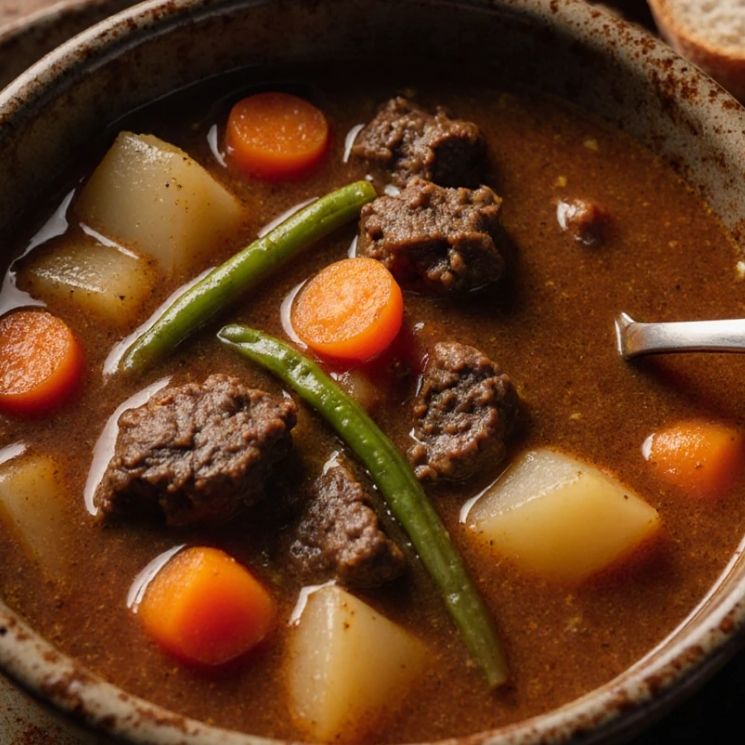
Vegetable Beef Soup: A Bowl of Hearty Comfort for Every Season
There are some meals that stay with you — not just because of their taste, but because of how they make you feel. Vegetable Beef Soup is one of those timeless dishes.
Maybe you remember it simmering on your grandmother’s stove on a cool fall afternoon, the air filled with the comforting aroma of slow-cooked beef, herbs, and fresh vegetables. Or maybe it’s your own go-to when the weather turns chilly and you need something that feels like home — a meal that warms your hands, fills your belly, and soothes your spirit.
This soup doesn’t just feed your body—it brings calm, nostalgia, and that quiet joy only comfort food can deliver. It’s hearty enough for a full meal, yet light enough to keep things balanced. Whether you’re serving your family, prepping for the week, or simply craving something wholesome, Vegetable Beef Soup will never let you down.
Ingredients List
Here’s what you’ll need to make about six generous servings of traditional Vegetable Beef Soup.
| Ingredient | Quantity |
|---|---|
| Stew beef (cut into 1-inch cubes) | 1½ lbs |
| Olive oil | 2 tablespoons |
| Yellow onion (chopped) | 1 medium |
| Garlic cloves (minced) | 3 |
| Carrots (sliced) | 3 |
| Celery stalks (chopped) | 2 |
| Russet potatoes (diced) | 2 medium |
| Green beans (trimmed and cut) | 1 cup |
| Corn (fresh, canned, or frozen) | 1 cup |
| Diced tomatoes (with juice) | 1 can (14.5 oz) |
| Tomato paste | 2 tablespoons |
| Beef broth | 6 cups |
| Worcestershire sauce | 1 tablespoon |
| Dried thyme | 1 teaspoon |
| Bay leaves | 2 |
| Salt and pepper | To taste |
| Fresh parsley (chopped, for garnish) | 2 tablespoons |
Optional ingredients: peas, zucchini, cabbage, or barley for added texture and flavor.
Substitutions
Part of Vegetable Beef Soup’s charm is how easily you can adapt it. Whether you’re working with pantry staples or feeding specific dietary needs, here are easy swaps that preserve the dish’s hearty charm:
- Beef: Substitute with ground beef, shredded rotisserie chicken, or plant-based protein crumbles for a vegetarian twist.
- Broth: Low-sodium or vegetable broth works fine if you’re cutting down on salt or meat.
- Tomatoes: Substitute diced tomatoes with tomato sauce for a smoother broth.
- Potatoes: Sweet potatoes or butternut squash make for a slightly sweeter, nutrient-rich alternative.
- Herbs: Swap thyme for oregano or Italian seasoning for a slightly different flavor profile.
- Corn: Use canned hominy or lima beans for a Southern-style variation.
Step-by-Step Instructions
Creating this soup is simple and straightforward—it’s the kind of recipe that rewards patience and fills your home with warmth as it simmers.
- Brown the beef:
In a large pot or Dutch oven, heat olive oil over medium-high heat. Add beef cubes and sear on all sides until browned. Remove and set aside. - Sauté the aromatics:
In the same pot, add onion, garlic, carrot, and celery. Sauté for about 5 minutes, allowing the vegetables to soften and release their flavor. - Build the base:
Add the tomato paste and Worcestershire sauce, stirring for one minute to deepen the flavor. - Add the liquids:
Pour in diced tomatoes and beef broth, then return the seared beef to the pot. Add thyme, bay leaves, salt, and pepper. Stir well. - Simmer:
Bring to a boil, then reduce heat to low. Cover partially and simmer for 45–60 minutes, or until the beef is tender. - Add the vegetables:
Add potatoes, green beans, and corn. Continue simmering for 20–25 minutes until all vegetables are tender. - Finishing touches:
Taste and adjust seasoning if needed. Remove bay leaves before serving. Garnish with fresh parsley for color and freshness. - Serve hot:
Ladle into bowls and serve with warm bread or a sprinkle of parmesan if desired.
“The best soup starts with patience—a slow simmer that coaxes out every story the ingredients have to tell.”
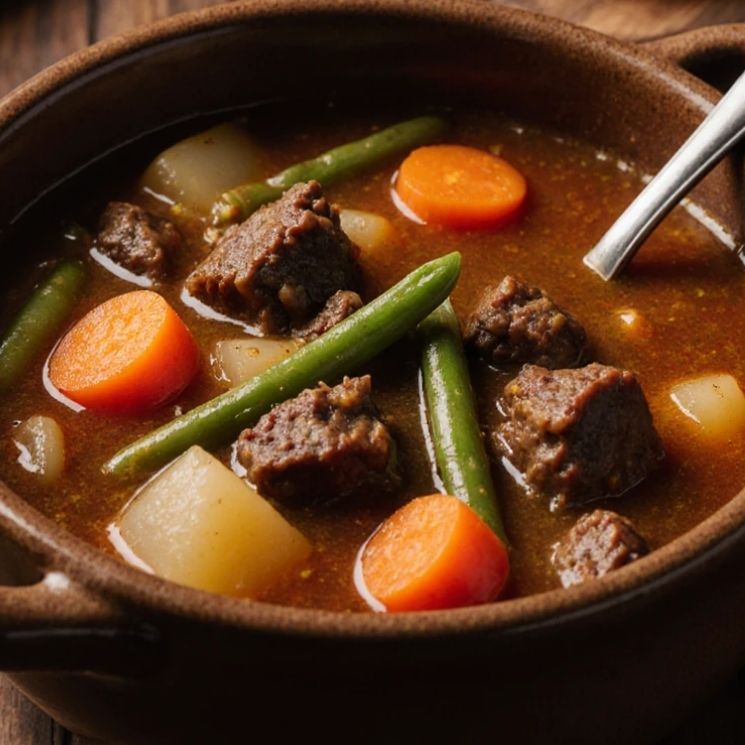
Nutritional Information
Here’s an approximate nutritional breakdown per serving (serves 6):
| Nutrient | Amount |
|---|---|
| Calories | 380 kcal |
| Protein | 32 g |
| Carbohydrates | 28 g |
| Fat | 15 g |
| Fiber | 4 g |
| Sodium | 780 mg |
| Iron | 3 mg |
Note: Nutritional values vary depending on ingredients and substitutions.
Healthier Alternatives for the Recipe
You can easily make this Vegetable Beef Soup even more nutritious while keeping all the comfort you crave intact.
- Choose leaner cuts of beef: Try sirloin or round steak to reduce fat.
- Add more greens: Toss in kale, spinach, or collard greens at the end for extra vitamins.
- Cut back on salt: Use low-sodium broth and amp up flavor with herbs instead.
- Use whole grains: Add quinoa, barley, or farro for texture and fiber.
- Lighten the base: Swap olive oil for avocado oil or skip the oil and brown beef directly for fewer calories.
Serving Suggestions
This soup is wholesome enough to stand alone but also pairs beautifully with side dishes or garnishes to make it a complete meal.
- With bread: Serve with crusty baguette slices, cornbread, or garlic toast.
- With salad: Pair with Caesar, kale, or a simple garden salad with vinaigrette.
- Family dinner: Serve soup in a communal pot at the table with small bowls of toppings—fresh herbs, grated cheese, or red pepper flakes—for a family-style experience.
- Make it cozy: Add a side of mashed potatoes or rice for extra comfort on cold nights.
Common Mistakes to Avoid
Even though this recipe is beginner-friendly, a few key details can elevate your soup from good to incredible.
- Skipping the sear: Browning the beef first seals in juices and adds deep flavor.
- Adding all vegetables too early: Softer veggies like corn or green beans should go in later to prevent mushiness.
- Boiling too hard: Soup should simmer, not boil. High heat toughens beef and breaks vegetables apart.
- Not tasting as you go: Adjust seasoning toward the end for balanced flavor.
- Overcrowding the pot: A packed pan won’t brown the beef properly—cook in batches if needed.
“Soup teaches you patience—rush it, and you’ll miss the magic in every spoonful.”
Storing Tips for the Recipe
One of the best parts of Vegetable Beef Soup is how beautifully it stores. It often tastes better the next day after the flavors have married overnight.
- Refrigerate: Store in sealed containers for up to 4 days. Reheat gently on the stove or in the microwave.
- Freeze: Freeze cooled soup in individual portions for up to 3 months. Thaw overnight in the fridge before reheating.
- Avoid overcooking when reheating: Heat on low to medium to keep vegetables from breaking down.
- Meal prep tip: Cook the soup base (without potatoes) and freeze. Add fresh potatoes when reheating to prevent them from becoming mushy.
Conclusion
Vegetable Beef Soup is the kind of dish that reminds you what home-cooked food is all about—simple, heartwarming, and full of love. It brings together tender beef, wholesome vegetables, and a deeply flavorful broth that feels nourishing in every sense of the word.
It’s less about perfection and more about the feeling it creates: the steam rising from the pot, the way the kitchen smells, and the quiet satisfaction of knowing you made something nourishing for yourself or the people you care about.
So take your time chopping those vegetables, let the beef brown properly, and savor the process—it’s as rewarding as the first spoonful.
FAQs
1. Can I use ground beef instead of chunks?
Yes—brown ground beef first, then follow the same steps. It’ll cook faster but still tastes amazing.
2. How can I make this in a slow cooker?
Brown the beef beforehand, then add all ingredients to the slow cooker. Cook on low for 6–8 hours or on high for 3–4 hours.
3. Can I make it vegetarian?
Easily. Swap beef for lentils or beans and use vegetable broth instead.
4. How do I thicken my soup?
Simmer uncovered to reduce liquid or mix in a teaspoon of cornstarch dissolved in cold water near the end.
5. Can I use frozen vegetables?
Absolutely. Add them in the last 15 minutes of cooking to keep their texture intact.