Caramel Cake: A Sweet Tradition That Warms the Heart
There’s a kind of comfort that only old-fashioned cakes bring—a tender crumb, a glossy frosting, and the familiar scent that fills your kitchen as it bakes. Caramel Cake belongs to that category of timeless desserts that remind you of home and the simple joy of baking from the heart.
You might remember it from Sunday dinners, church bake sales, or your grandmother’s kitchen—the way the caramel frosting would gently crack as it cooled, silky on the inside, and rich with deep, nutty sweetness. Every bite felt like a small celebration.
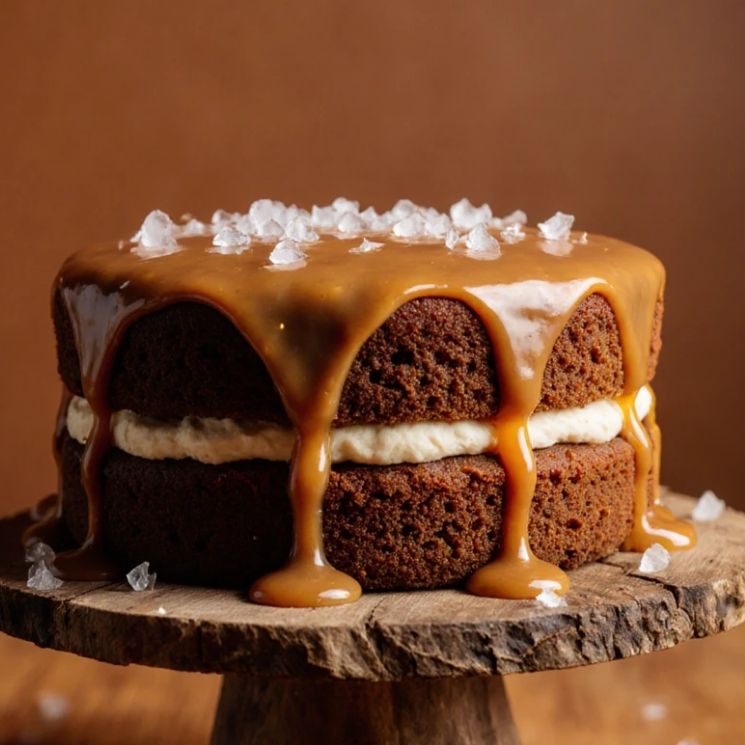
Today, you’ll learn how to make that same Caramel Cake—one that’s moist, buttery, and crowned with a smooth, golden caramel icing that tastes like nostalgia. It’s a dessert that carries warmth and history, yet feels fresh every time you make it.
“Some recipes taste like memories—and caramel cake is one of them.”
Ingredients List
This recipe makes one 9-inch, two-layer Caramel Cake that serves about 12 people.
| Ingredient | Quantity |
|---|---|
| All-purpose flour | 2 ½ cups |
| Baking powder | 2 teaspoons |
| Baking soda | ½ teaspoon |
| Salt | ½ teaspoon |
| Unsalted butter (softened) | 1 cup (2 sticks) |
| Granulated sugar | 1 ¾ cups |
| Large eggs | 3 |
| Buttermilk | 1 cup |
| Vanilla extract | 2 teaspoons |
| Brown sugar (for frosting) | 1 ½ cups |
| Butter (for frosting) | ½ cup |
| Milk or heavy cream | ½ cup |
| Powdered sugar | 2–3 cups |
| Pinch of salt | To taste |
Optional garnish: sea salt flakes, chopped pecans, or caramel drizzle.
Substitutions
Part of caramel cake’s charm is how versatile it is—you can make it your own version using substitutions that fit your pantry or preferences.
- Buttermilk: Mix 1 tablespoon vinegar or lemon juice with 1 cup milk; let it sit for 5 minutes to curdle.
- Flour: Use cake flour instead of all-purpose for a lighter, fluffier texture.
- Butter: For dairy-free, substitute equal parts vegan butter or neutral oil.
- Milk in frosting: Swap for coconut milk to add subtle flavor depth.
- Vanilla extract: Replace with bourbon or maple extract for a bolder twist.
- Brown sugar: Dark brown sugar gives a deeper, molasses flavor, while light brown sugar yields a milder caramel taste.
“Recipes are guidelines, not laws—they evolve with the cook who makes them.”
Step-by-Step Instructions
Follow these steps to achieve a moist cake with the silky caramel icing that melts perfectly onto every layer.
Step 1: Preheat and prepare pans
Preheat your oven to 350°F (175°C). Grease and flour two 9-inch round cake pans, or line them with parchment paper for easy release.
Step 2: Mix dry ingredients
In a medium bowl, whisk together flour, baking powder, baking soda, and salt. Set aside.
Step 3: Cream butter and sugar
In a large bowl, beat softened butter and granulated sugar together for 3–4 minutes until fluffy and pale. This step is key—it traps air for a tender crumb.
Step 4: Add eggs and vanilla
Add eggs one at a time, beating after each addition, then mix in the vanilla extract until fully incorporated.
Step 5: Combine wet and dry ingredients
Alternately add flour mixture and buttermilk in small batches, starting and ending with flour, mixing until just combined after each addition. Avoid overmixing to keep the cake soft.
Step 6: Bake
Divide the batter evenly between pans. Bake 25–30 minutes or until a toothpick inserted in the center comes out clean. Let the cakes cool for 10 minutes, then remove them from pans and cool completely on a wire rack.
“The best cakes are baked with patience—each step has its moment, each aroma its promise.”
Step 7: Make the caramel frosting
This is where the magic happens.
- In a medium saucepan, melt butter and brown sugar over medium heat until smooth.
- Add milk or cream and bring to a gentle boil, stirring continuously.
- Remove from heat and let cool slightly for 5–10 minutes.
- Gradually whisk in powdered sugar until the frosting is thick but pourable.
- Add a pinch of salt to balance the sweetness perfectly.
Step 8: Frost the cake
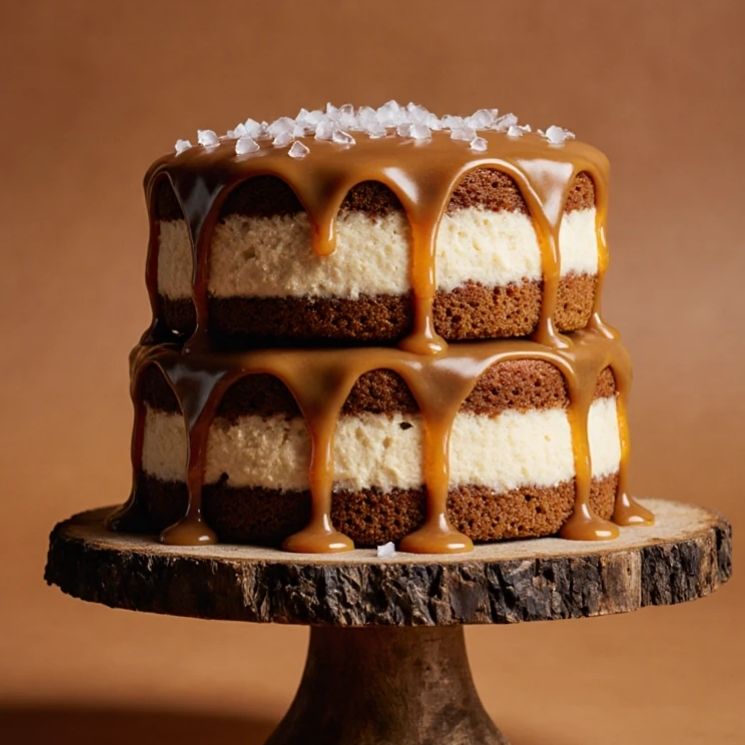
Place one cake layer on a plate, pour half the frosting over, and smooth it out. Top with the second layer and pour the remaining caramel frosting, letting it drip down naturally for a rustic finish.
“There’s no need for perfection here—each golden drip of caramel tells its own story.”
Nutritional Information
Approximate values per serving (1/12 slice):
| Nutrient | Amount |
|---|---|
| Calories | 450 kcal |
| Protein | 5 g |
| Carbohydrates | 60 g |
| Fat | 20 g |
| Fiber | 1 g |
| Sugars | 45 g |
| Sodium | 280 mg |
| Calcium | 8% DV |
| Iron | 10% DV |
Healthier Alternatives for the Recipe
If you love caramel cake but want a lighter, more balanced version, try these small but effective adjustments.
- Reduce sugar: Use ¾ cup sugar in the batter and 1¼ cups brown sugar in the frosting.
- Switch fat sources: Half butter, half unsweetened applesauce for moistness with fewer calories.
- Whole-grain option: Replace half the flour with whole wheat for extra fiber.
- Greek yogurt swap: Substitute some buttermilk with ¼ cup Greek yogurt for creaminess and protein.
- Lighter frosting: Drizzle a thinner caramel sauce instead of heavy frosting.
- Dairy-free: Use coconut cream and plant-based butter for equally silky results.
“Healthy baking isn’t about sacrifice—it’s about smart swaps that keep flavor alive.”
Serving Suggestions
There are endless ways to enjoy Caramel Cake—from simple slices to gourmet pairings.
- Classic pairing: Serve a slice with hot coffee or black tea to balance the sweetness.
- Festive touch: Add chopped toasted pecans or sprinkle sea salt flakes on top.
- Layered variety: Add a thin spread of apple butter or dulce de leche between layers.
- Breakfast twist: Enjoy with Greek yogurt and fresh fruit for an indulgent brunch.
- Elegant dinner-party dessert: Warm slightly and serve with a scoop of vanilla ice cream.
“Caramel Cake is more than dessert—it’s the centerpiece of any table that feels like home.”
Common Mistakes to Avoid
Even the most experienced bakers know caramel can be tricky. Here’s how to make sure yours turns out just right.
- Overbeating the batter: Incorporates too much air, leading to a dense or uneven cake.
- Burning the caramel frosting: Always cook sugar on medium heat and stir constantly once melted.
- Not cooling the cake: Warm cakes cause frosting to slide right off; cool completely before topping.
- Too much powdered sugar: Add gradually until you reach the ideal texture—thick but pourable.
- Skipping salt: A pinch of salt elevates caramel’s complexity and prevents an overly sweet result.
“Perfection in baking isn’t about flawless results—it’s about learning the rhythm of patience and timing.”
Storing Tips for the Recipe
Homemade Caramel Cake stores beautifully, making it a perfect make-ahead dessert.
- Room temperature: Keep covered in an airtight container for up to 2 days.
- Refrigeration: Store for up to 5 days in the fridge. Let it come to room temperature before serving.
- Freezing: Wrap whole or sliced cake tightly in plastic and foil, and freeze for up to 2 months. Thaw overnight at room temperature.
- Frosting reheating: If frosting thickens too much when stored, warm gently in the microwave for 10 seconds before spreading.
“The joy of homemade cake? Knowing it tastes just as good the next day—sometimes even better.”
Conclusion
Caramel Cake is more than a dessert—it’s a slice of tradition, a recipe that warms hearts and brings people together. Each bite is smooth and buttery, filled with layers of brown sugar richness and the deep, comforting aroma of caramel.
Whether you bake it for a family gathering, a special celebration, or simply to brighten your week, it’s a cake that symbolizes care and comfort. Simple ingredients come together to create something timeless—a dessert that feels like an embrace, no matter when or where you serve it.
FAQs
1. Can I use store-bought caramel instead of making it?
Yes, but homemade frosting gives you a fresher texture and richer flavor balance.
2. Can I make it a sheet cake?
Absolutely. Use a 9×13-inch pan and adjust baking time to about 35 minutes.
3. How can I prevent the frosting from getting grainy?
Make sure the sugar dissolves completely before removing from heat and let it cool slightly before adding powdered sugar.
4. Why did my cake turn out dense?
Overmixing or inaccurate flour measurements can cause heaviness. Spoon flour into the cup and level it off to measure accurately.
5. Can I make the frosting in advance?
Yes! Store caramel frosting in a sealed container in the fridge for up to 3 days. Reheat gently before using.