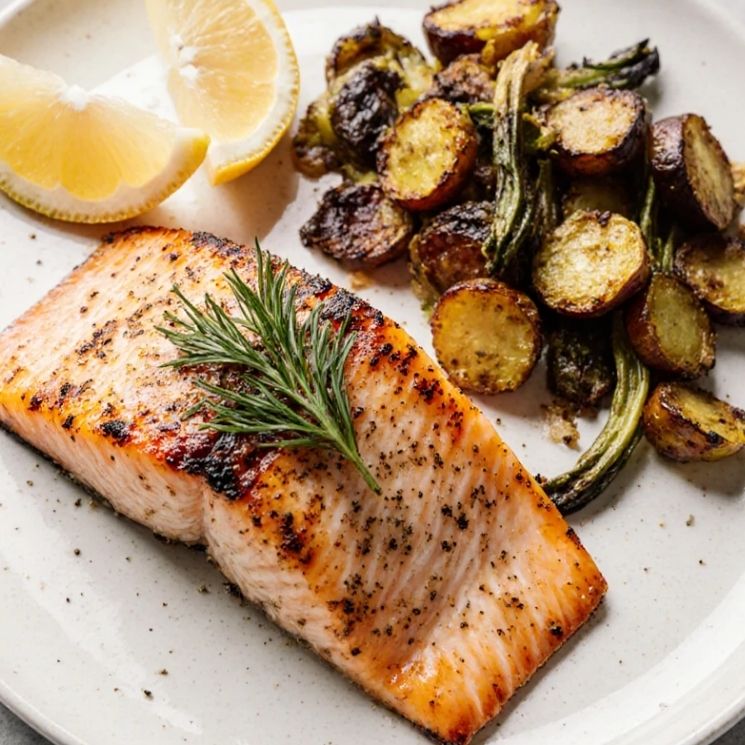
Pan-Seared Salmon: Simple, Elegant, and Bursting with Flavor
There’s something truly special about cooking a meal that feels both effortless and extraordinary. Pan-Seared Salmon is one of those dishes—it’s simple to make, yet it feels like something you’d order at a fine restaurant. That perfect golden crust paired with tender, flaky flesh beneath—it’s the kind of food that makes eating at home feel indulgent.
If you’ve ever felt intimidated by cooking fish, you’re not alone. Many home cooks worry about overcooking or sticking, but once you learn the few key techniques, you’ll realize just how approachable (and forgiving) salmon can be.
I remember the first time I cooked salmon at home. The sound of it sizzling in the skillet, the faint caramel aroma as it browned perfectly, and that first forkful—crispy on the outside, buttery-soft on the inside—was a revelation. This wasn’t just dinner. It was a small victory.
Ingredients List
You’ll need just a handful of simple ingredients to make four servings of restaurant-quality Pan-Seared Salmon.
| Ingredient | Quantity |
|---|---|
| Fresh salmon fillets (skin-on preferred) | 4 (6 oz each) |
| Olive oil or avocado oil | 2 tablespoons |
| Salt | ¾ teaspoon |
| Black pepper | ½ teaspoon |
| Lemon wedges | For serving |
| Garlic (minced, optional) | 2 cloves |
| Fresh herbs (like parsley, dill, or thyme) | 2 tablespoons |
Optional sauce ideas: butter-garlic sauce, honey glaze, or a squeeze of lemon herb vinaigrette to finish.
Substitutions
The beauty of Pan-Seared Salmon is how versatile it is. You can adapt it for your pantry or dietary preferences without compromising flavor.
- Salmon Cuts: Atlantic, sockeye, or coho all work. Choose fillets around 1-inch thick for even cooking.
- Oil: Avocado, grapeseed, or canola oils also work well since they handle high heat.
- Butter Finish: If you prefer dairy-free, skip the butter baste and stick with olive oil and herbs.
- Herbs and Spices: Replace herbs with smoked paprika, chili flakes, or even garlic powder for extra punch.
- Citrus Flavor: Lime or orange slices can replace lemon for a new twist.
- Fish Alternative: Try steelhead trout—similar flavor, slightly milder but cooked exactly the same way.
“A good recipe isn’t a strict rule—it’s a canvas waiting for the brushstrokes of your personal taste.”
Step-by-Step Instructions
Follow these steps for perfectly crisp and tender salmon every time.
Step 1: Choose and prep your salmon
Start with high-quality fillets—preferably wild-caught for best texture and flavor. Pat each fillet completely dry with paper towels. This step ensures that the skin browns beautifully instead of steaming in its own moisture.
Season both sides lightly with salt and pepper. If time allows, let the fish rest for 10 minutes at room temperature before cooking—it promotes even searing.
Step 2: Heat the pan properly
Use a heavy skillet (cast iron or stainless steel) and set it over medium-high heat. Add olive oil and let it heat for about 2 minutes until it shimmers but doesn’t smoke.
Want a great test? Sprinkle a drop of water—if it sizzles on contact, your pan is ready.
Step 3: Sear skin-side down
Carefully place salmon fillets skin-side down in the pan. Press gently with a spatula for the first 20 seconds to prevent curling. Don’t move them after that—this is how the crust forms.
Cook for 4–5 minutes, depending on thickness, until the skin is crisp and the salmon is cooked about 70% through. You’ll see the color change from deep translucent pink to opaque as it cooks.
Step 4: Flip and finish
Gently flip the fillets using a fish spatula and cook the other side for 2–3 minutes more. (The center should still be tender and slightly pink—it will continue to cook from residual heat.)
For extra flavor, add a pat of butter, minced garlic, or a few herb sprigs in the last minute of cooking. Tilt the pan and spoon the melted butter over the salmon.
Step 5: Rest and serve
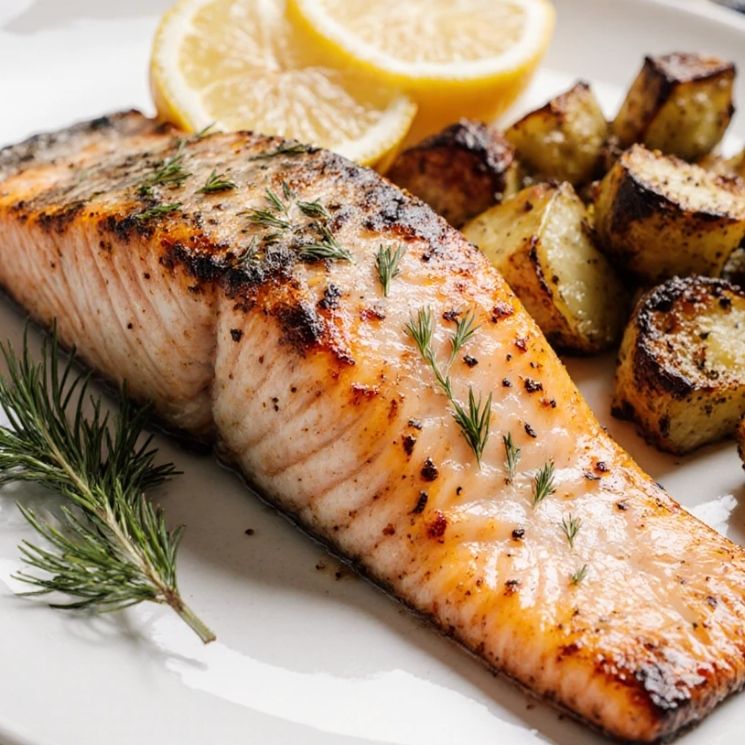
Transfer the salmon to a plate and let it rest for 2–3 minutes so the juices redistribute. Squeeze lemon juice over the top, add herbs, and serve immediately.
Nutritional Information
Approximate values per serving (based on 6 oz fillet):
| Nutrient | Amount |
|---|---|
| Calories | 390 kcal |
| Protein | 38 g |
| Carbohydrates | 0 g |
| Fat | 25 g |
| Omega-3 Fatty Acids | 2.5 g |
| Sodium | 400 mg |
| Cholesterol | 85 mg |
| Vitamin D | 25% DV |
| Potassium | 18% DV |
Healthier Alternatives for the Recipe
Salmon is already a nutritional powerhouse—rich in lean protein, omega-3s, and vitamins—but here’s how you can make your Pan-Seared Salmon even healthier if you’d like:
- Use less oil: Non-stick or ceramic pans require less fat for searing.
- Skip butter: Stick with olive oil or avocado oil only.
- Add greens: Serve over a bed of sautéed spinach, kale, or asparagus for fiber.
- Use lemon zest instead of sauces: Cuts calories while boosting flavor.
- Reduce sodium: Season with garlic, herbs, and pepper instead of salt.
- Bake alternative: Cook in the oven at 400°F for 12–15 minutes for a no-sear option.
Serving Suggestions
Pan-Seared Salmon pairs beautifully with a variety of sides and sauces. Here are some combinations to inspire your next dinner plate:
- Classic combo: Serve with garlic mashed potatoes and roasted vegetables.
- Light and fresh: Pair with quinoa salad, steamed broccoli, or a citrus kale salad.
- Mediterranean style: Add a drizzle of tzatziki or serve alongside roasted chickpeas and herbed couscous.
- Asian-inspired: Coat with sesame seeds and serve with stir-fried vegetables and jasmine rice.
- Brunch-style: Flake over avocado toast or eggs for a high-protein breakfast.
Presentation tip: Plate over a white dish, sprinkle chopped dill, and finish with a sprinkle of lemon zest for restaurant-worthy appeal.
Common Mistakes to Avoid
Cooking salmon well isn’t hard, but a few missteps often lead to dry, uneven results. Avoid these:
- Starting with wet fillets: Always pat salmon dry—moisture stops the crust from forming.
- Overcrowding the pan: Adds steam instead of sear. Work in batches if needed.
- Cold salmon: Room temperature salmon cooks more evenly.
- Flipping too early: Resist the urge! Wait until the edges turn opaque to flip.
- Excessive heat: Medium-high is perfect; too hot burns the outside before the inside cooks.
- Skipping rest: Resting ensures juiciness and prevents overcooking.
Storing Tips for the Recipe
Freshness is key for salmon, but leftovers keep well if handled properly.
- Refrigerate: Store cooked salmon in airtight containers for up to 3 days.
- Reheat: Gently reheat on low heat in a skillet or oven at 275°F until just warmed. Avoid microwaving—it dries the fish.
- Freeze: If needed, freeze for up to 2 months. Thaw overnight in the fridge.
- Leftover ideas: Flake salmon into salads, make fish tacos, or mix with cream cheese for a savory spread.
“A perfectly cooked salmon is generous—it’s just as delicious the next day when you give it a second life in creative leftovers.”
Conclusion
There’s a reason Pan-Seared Salmon has become a timeless favorite—it’s quick, wholesome, and endlessly delicious. What’s truly wonderful about it is how it rewards simple technique with big, restaurant-quality results.
The golden, crispy skin crackles with flavor, the flesh is melt-in-your-mouth tender, and the whole dish feels effortlessly elegant. Whether you’re cooking for one or feeding a table full of guests, this recipe proves that mastery in the kitchen doesn’t demand complexity—just understanding, patience, and a skillet ready to sizzle.
“The measure of good cooking lies not in flair, but in the simple mastery of textures and timing.”
FAQs
1. Should I use skin-on or skinless salmon?
Always go with skin-on if possible. The skin protects the meat, prevents sticking, and develops a wonderful crisp.
2. Can I use frozen salmon?
Yes—thaw completely and pat dry before searing. Frozen salmon cooks beautifully with the same steps.
3. How do I know when salmon is done?
It should flake easily with a fork and have an internal temperature of 125–130°F.
4. Can I use a non-stick pan?
Yes, though cast iron or stainless steel gives a better crust. If using non-stick, lower the heat slightly.
5. What sauces go with salmon?
Try garlic butter, citrus herb dressing, teriyaki glaze, or a simple lemon vinaigrette.